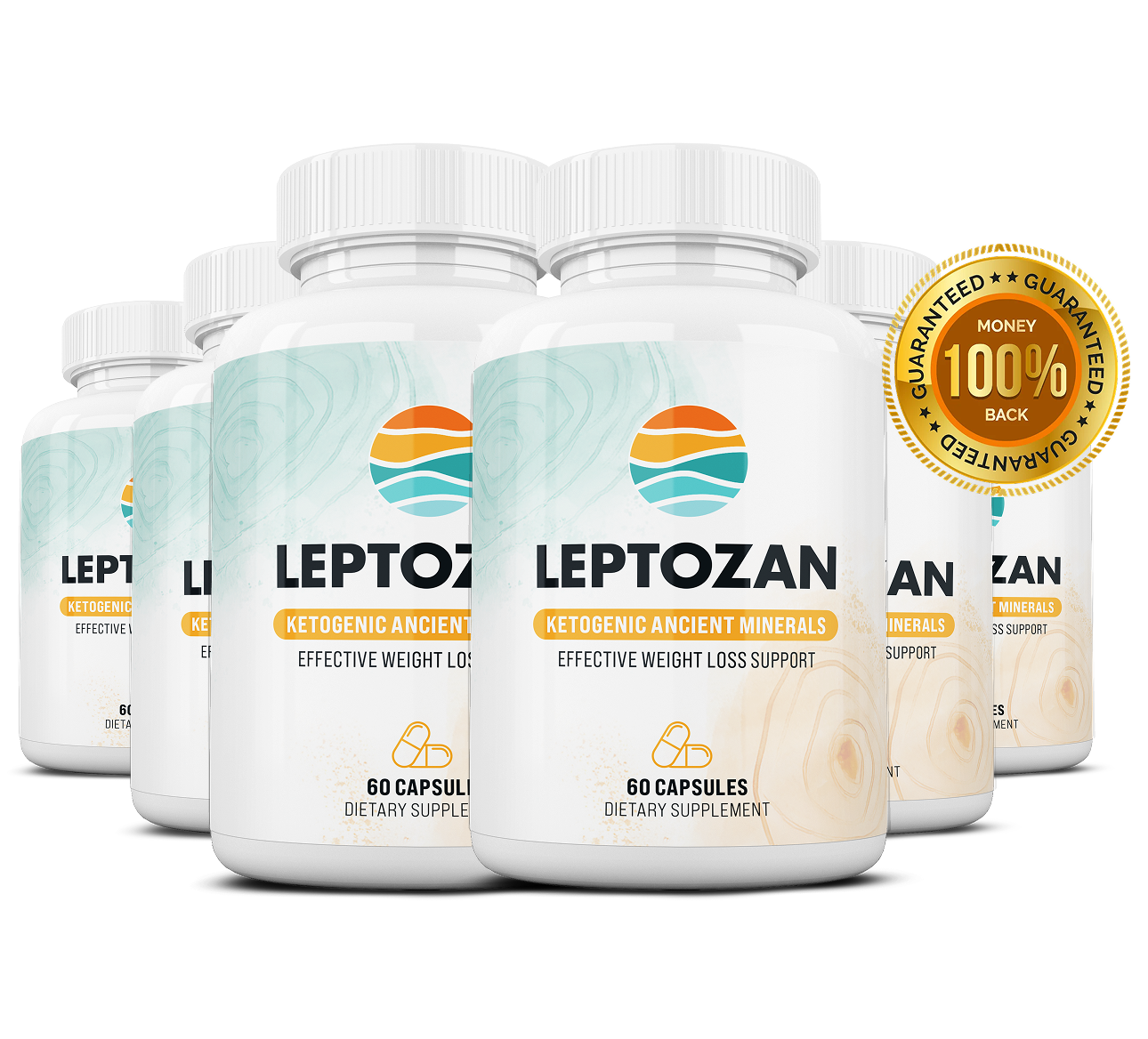
The front of a supplement bottle is advertising. The back is a document, and it is regulated. Learning to read the back takes about ten minutes and will save you more money than any discount code.
Three checks cover most of it.
Check one: is there a proprietary blend?
A proprietary blend is a list of ingredients with one combined weight next to it. "Metabolic Support Matrix — 850mg", then eight things underneath it, with no individual amounts. This is legal, common, and almost always a problem for you rather than for the manufacturer.
The reason is that the ingredients in a blend are listed in descending order by weight, and nothing stops the first item being 840mg of something cheap and the remaining seven splitting 10mg between them. You cannot tell. That is the function of the format: it protects the recipe from competitors, and it protects the amounts from you.
There are legitimate uses. There are also a great many blends whose only purpose is to let a bottle list an impressive ingredient it barely contains.
Check two: are the amounts plausible?
Where amounts are disclosed, compare them against the research. If a study used 400mg of an extract twice daily and the capsule holds 25mg, the ingredient is on the label for marketing rather than for you. The industry term for this is fairy dusting, and it is widespread enough that the phrase needed inventing.
Two labels, same claimed ingredient count
What gets disclosed, and what a blend lets a manufacturer keep to itself
Check three: does the claim match the category?
A dietary supplement may describe what it supports. It may not claim to treat, cure or prevent a disease — and if a label or a page does, the company has either not read the rules or has decided to ignore them. Neither is a good sign about the rest of their process.
The NCCIH guidance on using supplements wisely is a short, unexcitable read and covers the ground better than most commercial pages will.
A short checklist for the back of any bottle
- Named amounts for every active, not a blend total.
- Doses in the same order of magnitude as the research being referenced.
- Support language only — no treatment or cure claims anywhere on the label or the site.
- A manufacturing statement naming the standard, not just a flag on the carton.
- A return policy long enough to actually assess it. Thirty days on a formula that takes six weeks to judge is not a guarantee, it is a formality.
Applying it here
It would be tidy to say this formula passes every check, but the honest version is narrower: all ten actives are named, the amounts are printed on the panel, the language is support-only throughout, and the return window is 180 days rather than 30. What we will not tell you is that the amounts are therefore optimal for you, because that depends on you.
Run the same three checks against this bottle that you would run against any other. Start with the ingredient breakdown, and if something does not add up, tell us.